Home

People.
Understand your team.

One person may carry several responsibilities. Our Hogan-certified practitioners connect assessment findings with roles, tenure, and business priorities to support delegation, manager development, and working relationships.

Discuss your team
Meet the people behind ÆPOC

Individuals understood.
Organizations connected.

ÆPOC’s Organizational Intelligence model connects assessment findings with working context. Practitioner-reviewed synthesis reveals how people work together, where support is needed, and which responsibilities or handoffs need attention.

Our approach to confidentiality

For a report and debrief without synthesis, book a standalone assessment review.

Choose your assessment scope.

Four options, no required sequence.
Individual only

Start with the individual.
See the potential.

Individual assessments, practitioner interpretation, and a personal working guide. Review strengths, motivations, and development needs in the context of the person’s role. Team and relationship synthesis are outside this scope.

For individuals and leaders seeking a clearer understanding of themselves.

$1,500+per person
Discuss INTROSPECT

What your engagement includes.

Each synthesis engagement includes assessment reports, practitioner review, an individual debrief, and a personalized digital working guide. Its depth follows the scope you choose.

Compare full pricing + inclusions or explore a working-guide example.

Understand the person.
Shape the work around them.

Assessment findings help owners and managers discuss responsibilities, development, and support.

People
Strengths, working styles, and development needs.
Purpose
Values, motivations, and ambitions.
Processes
Responsibilities and workflows that help people do their best work.
Hogan assessmentsEveryday behavior, pressure, and motivation.

Hogan examines three aspects of workplace personality. Our certified practitioners interpret them in the context of the person’s work.

Everyday behavior · HPI
The Hogan Personality Inventory explores how people approach work and relate to others when they are at their best. It helps inform communication, leadership, and collaboration.
Patterns under pressure · HDS
The Hogan Development Survey explores tendencies that can strain relationships or hinder performance under stress—including strengths that become less helpful when overused.
Values and drivers · MVPI
The Motives, Values, Preferences Inventory explores goals, interests, and core values. It helps explain what people find rewarding and the environments in which they want to work.
CliftonStrengthsTalent themes and strengths.

Gallup’s CliftonStrengths identifies recurring patterns in how people think, feel, and behave across 34 talent themes. We use the findings to discuss strengths, development needs, and how responsibilities can draw on those talents.

The science of CliftonStrengths at Gallup
F-PEC Family Business ScaleFamily influence on ownership, leadership, and culture.

Academic model · Family influence

The F-PEC Scale of Family Influence examines power, experience, and culture: how family ownership and leadership, generational involvement, and shared values shape a business. For family businesses, this adds context about family, ownership, and management roles. It supports conversations about responsibilities and continuity; it does not score the health of a family or choose a successor.

Read the original F-PEC research
Organizational Intelligence ScaleHow people experience their organization.

Academically informed · The working environment

This assessment explores how people experience the organization: trust, conflict, psychological safety, collaboration, manager impact, culture, and incentives. It helps surface conditions that support good work and places where everyday processes create friction.

The scale contributes to ÆPOC’s synthesis alongside the other assessments and working context.

Assessment selection depends on the engagement.

From individual insight
to an organizational map.

AI-assisted synthesis and practitioner review connect assessment findings with the realities of the business. The result is an organizational map. Leadership can see how people connect within and across teams, where strengths complement one another, and where work gets stuck.

Use the map to review responsibilities, handoffs, development needs, and training. It can also help identify repetitive duties that a process change or proprietary software could reduce.

What informs the map?

We synthesize findings from all assessments used in your engagement with job titles, responsibilities, time in role, time with the organization, and tenure patterns across teams and cohorts. Reporting relationships, how long people have worked together, and business priorities give those findings context.

Discuss an organizational assessment

Each person leaves
with a guide to working well.

Each participant receives a practitioner-reviewed booklet tailored to their role and the scope of the synthesis. Use it to clarify responsibilities, prepare one-to-one conversations, and agree better handoffs.

Inside your working guide

Team and organization guides also address what colleagues need from one another.

  • A summary of individual strengths, motivations, and support needs.
  • From INTERSECT: relationship guidance and prompts for manager–direct report conversations.
  • From INTERLACE: team context, shared working agreements, and development exercises.
  • Actions to bring the learning into everyday work.

AI helps compile the material. Our staff spend several hours reviewing each personalized booklet before it is delivered.

Compare engagement scopes Read + print the sample
ÆPOCPERSONAL WORKING GUIDE · ILLUSTRATIVE SAMPLE

Your personal working guide

Responsibilities, working relationships, and agreed actions.

Prepared for a sample participant

Strengths, responsibilities, and working relationships.

Use this guide to prepare conversations about your role, handoffs, and commitments.

1 / 4

Fictional excerpts. No participant information or assessment results.

Meet the
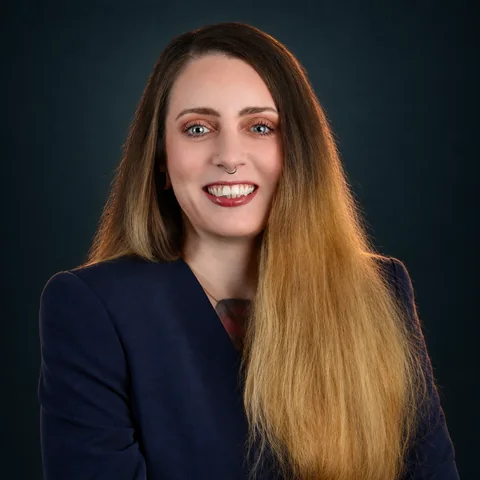
ÆPOC practitioners.

Justin Watson and Heather Rapallo bring assessment, operational, and training perspectives to our work with people and teams.

Justin Watson

Justin Watson, MFA

Division Leader · Hogan-Certified Practitioner

Creator of ÆPOC’s Organizational Intelligence Assessment synthesis model. Justin’s work connects people assessment, business operations, software architecture, and creative direction.

Meet Justin Watson
Heather Rapallo

Heather Rapallo

Practitioner

Heather is also the Recruiting and Training Manager for Waste Solution Innovators, bringing a practical recruiting and development perspective to the work.

Meet Heather Rapallo

Get to know our practitioners and the WSI colleagues supporting ÆPOC.

Meet the full team

How we protect
participant identities.

Participant identities are separated from the information used in AI synthesis. Practitioners oversee interpretation and delivery.

Understanding people
begins with trust.

AI assists the synthesis. Our Hogan-certified practitioners check the findings against the participant’s role and business context before delivery.

Discuss confidentiality with us
Identities separated from synthesis
Participant names and internal IDs are replaced with coded references before assessment synthesis is sent to AI. This identity protection is called pseudonymization.
Results reconnected within the platform
After the AI response returns, those references are matched back to participants inside the ÆPOC platform so findings can be reviewed in context.
Practitioner review before delivery
Practitioners review findings and their implications before sharing deliverables. Assessment insights support understanding, development, and better working relationships.

What will you change
with the findings?

Use the findings to review business priorities, agree on working arrangements, or plan changes to your tools.

Purpose: agree on the direction Processes: put insight into practice Systems: equip the people doing the work Read a sample personal guide